
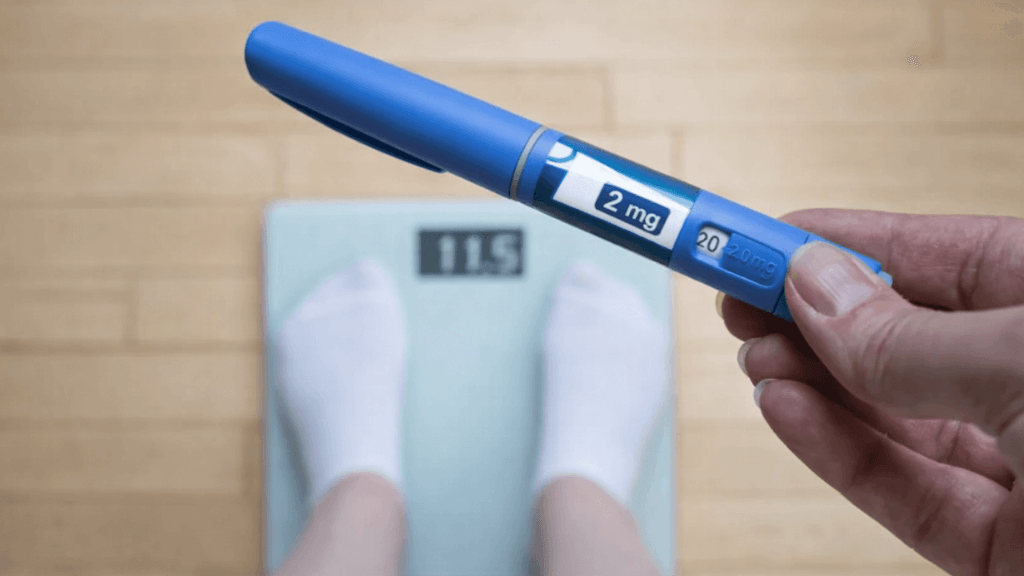
(What’s changed, what still matters, and what I think every woman deserves to know before considering them)
Weight loss jabs have officially gone from “interesting new treatment” to full‑blown cultural phenomenon.
They’re on the news. On TikTok. In WhatsApp groups. In GP waiting rooms. In that slightly uncomfortable moment when a friend leans in at brunch and whispers, “So… have you thought about trying the jab?”
And to be fair, I understand the appeal.
Fast results, quiet appetite, and less mental noise. The hope of finally switching off that constant background battle with food.
But as a health professional, my job isn’t to sell optimism. It’s to explain reality.
This isn’t a hit piece, and I’m not anti‑medication. These drugs can be genuinely helpful for the right people, in the right situations, under proper medical supervision.
But they are not lifestyle tools. They are powerful endocrine drugs.
Back in September I wrote a long, evidence‑heavy article on weight loss jabs and said I’d update it when the landscape shifted.
It didn’t take long.

Since then, doses have gone up, usage has exploded, regulators have issued new warnings… and TikTok has decided they’re basically injectable fairy dust.
You can read the original piece here: Weight-Loss Injections in 2025: The Update You Actually Need (No MLM, No Fairy Dust).
This article focuses only on what’s genuinely new, and what I think matters most as we head into 2026.
There’s been a lot of headlines, a lot of hype, and a few genuinely important developments.
Let’s separate the marketing from the medicine.
What’s actually changed since 2025?
In the past few months, there’s been a lot of noise… and a handful of things that genuinely matter.
“Triple‑strength” Wegovy: what that actually means
You’ll have seen the headlines:
“New super‑dose weight loss jab approved.”
“Stronger injections promise faster fat loss.”
Here’s the less exciting but far more important reality.
Wegovy now has an approved higher maintenance dose: 7.2 mg, up from the previous 2.4 mg.
Same drug, same mechanism, same hormone pathway.
Just… more of it.
This isn’t a new medication or a breakthrough discovery, it’s dose escalation, and in pharmacology there’s a very boring, very reliable rule:
Higher dose = stronger effect and higher risk of side effects.
Yes, appetite suppression tends to be stronger.
So does the likelihood of nausea, vomiting, dehydration, electrolyte imbalance, gallbladder problems, and simply not tolerating the drug long‑term.

There’s also a real‑world detail that rarely makes the press releases: at the moment, that 7.2 mg dose is delivered as three injections.
So if you were hoping for a single magic weekly pen that quietly fixes your appetite, congratulations… you’re now on a small pin‑cushion routine instead.
More importantly, we don’t yet have long‑term outcome data at these higher doses.
If 2.4 mg carries known risks, it would be surprising if 7.2 mg somehow carried fewer.
More drug does not automatically mean better long‑term health.
If higher doses solved obesity, we’d have fixed this with insulin in the 1990s.
The eye‑risk update: no longer just an “interesting signal”
In my 2025 article I mentioned a possible association between GLP‑1 drugs and a rare eye condition called NAION (non‑arteritic anterior ischaemic optic neuropathy).
At the time, it was an early safety signal.
In 2026, that has escalated.
The WHO has issued alerts. The European Medicines Agency has formally reviewed the data. NAION is now being added to recognised adverse‑event listings.
NAION is rare, sudden, usually painless, and often permanent. It involves reduced blood flow to the optic nerve, leading to partial or complete vision loss in one eye.
The absolute risk remains very low.
But these drugs are now being used by millions of people… many of whom are otherwise healthy.
When exposure numbers get that high, rare events stop being theoretical.
If you are treating a cosmetic or lifestyle problem with a drug that carries even a small risk of permanent vision loss, that deserves extremely careful thought.
That isn’t fear‑mongering. It’s how drug safety is assessed in every serious regulatory system.
NHS access vs public belief
There’s now a widespread belief that weight loss jabs are easily available on the NHS.
In reality, access remains tightly restricted, eligibility criteria are narrow, rollout is slow, and many GPs still cannot prescribe directly.
Which means a lot of people are still going private.
Whenever demand massively outstrips safe access, prices rise and unsafe supply chains appear.
Counterfeit pens, grey‑market imports, online prescribers who barely glance at your medical history… none of this has gone away.
The risks that still don’t get talked about enough
Muscle loss
With rapid weight loss, a significant proportion of what’s lost is lean tissue, not fat. Studies consistently show that 20–40% of total weight lost can be muscle.
Muscle isn’t cosmetic. It’s your metabolic engine, your insulin sink, your joint protection, and your future mobility.
Losing fat is helpful. Losing muscle quietly undermines long‑term weight maintenance.
Bone density
Rapid weight loss combined with reduced mechanical loading can accelerate bone density loss. For perimenopausal and post‑menopausal women, this is not trivial.
Gallbladder disease
Rapid fat loss increases bile saturation, which increases gallstone formation and gallbladder inflammation. GLP‑1 users have a higher rate of gallstones and gallbladder removal.
Pancreatitis
Still uncommon, but still relevant. Pancreatitis can be extremely painful, recurrent, and occasionally life‑threatening.
Dose escalation risk
Higher doses mean stronger appetite suppression, more gastrointestinal disturbance, greater dehydration risk, and greater electrolyte instability.
We do not yet know what long‑term exposure at these doses looks like.
What happens when you stop
When the drug stops, appetite signalling normalises, hunger returns, food noise comes back, and metabolic adaptation remains.
Large trials show most weight lost is gradually regained.

Many people become afraid of stopping, not because they’re addicted, but because they finally experienced quiet appetite and don’t want to lose it.
That’s not a moral failing. It’s predictable neurobiology.
Who these drugs may help… and who they probably shouldn’t
Likely to benefit: severe obesity, type 2 diabetes, significant cardiometabolic risk, multiple failed conventional interventions.
Poor candidates: mild overweight, “last stone” goals, history of disordered eating, highly inconsistent habits, expecting a permanent fix without structure.
Where this is heading
Higher doses, combination drugs, oral GLP‑1s, earlier use, longer exposure.
With that comes wider populations, longer treatment durations, and more rare adverse events emerging.
That’s not pessimism, it’s pharmacology.
So… should you use them?
These drugs can be valuable tools for high‑risk individuals under proper supervision.
They are not harmless shortcuts or lifestyle accessories.
If you’re considering them, you deserve full information, proper monitoring, and realistic expectations.
Not fairy dust.
Just evidence, context, and informed choice.